
"coffee grade"
30000 article(s) found

Ethiopian Coffee Bean grading Standard-explanation of Ethiopian Coffee Bean Export auction process
Professional coffee knowledge exchange more coffee bean information Please follow the coffee workshop (Wechat official account cafe_style) the evaluation criteria of Ethiopian coffee beans were formulated with the assistance of the American Fine Coffee Association (SCAA) (why can't Ethiopia, as the home country of coffee, be independent? Yeah! Think about it)-Egypt fully implemented the central auction system in 2008.
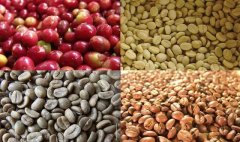
How are Ethiopian coffee beans graded?
The grading we are talking about now refers to the grading of raw beans in the country where coffee is produced. (no matter which country coffee beans are not graded) Ethiopian coffee beans are divided into five grades. The first and second stages are reserved for washing beans with water. Grade 1 represents 0-3 raw beans and Grade 2 represents 4-12 missing beans per 300g raw beans. Grade 1 (G1) grade water washed bean pole

[practical information] how are coffee beans screened and graded?
Communication of professional baristas Please pay attention to the grading of coffee in the coffee workshop (Wechat official account cafe_style). If the owners of two cafes are discussing, owner A says: the coffee beans we use in our shop are NO.2 in Santos, Brazil. Where is your shop? B the shopkeeper said: our store uses Brazilian NO.1 of the same level as Blue Mountain NO.1. The evaluation method adopted in Brazil is the deduction method, according to every 300 grams.

Kenyan Coffee Regional Flavor description Kenyan Coffee targeting Japanese Market Kenyan Coffee characteristics
Professional coffee knowledge exchange more coffee bean information please follow the coffee workshop (Wechat official account cafe_style) Kenya strictly controls the quality of coffee, which is divided into AA,AB,C,E,PB,TT,T,ML,MH according to size and shape. These grades mainly distinguish the shape and size of beans, but not absolutely represent the quality of beans. Many people think that beans with larger grains

Introduction to the flavor and taste of Ethiopian coffee beans grading of Ethiopian coffee beans
Ethiopian beans look a little malnourished. However, the appearance of beans, Ethiopian coffee can be ranked as the world's most citrus aroma, whether instant coffee or freshly ground coffee, the extraction will smell the pungent aroma of orange or lemon. The nose is characterized by strong floral, fruity, sour and sweet aromas, but the alcohol is slightly thicker or less dense. The biggest disadvantage is that it is easy to bake unevenly, especially

Grading of raw coffee beans
At present, there are three main rating criteria for raw coffee beans, and different countries adopt different rating methods according to their own production conditions and national conditions (not all coffee producing countries adopt the same method). Let's introduce these three popular rating methods. One: the reason for the emergence of such a classification standard according to the altitude of the coffee producing area is mainly because of the high level.

Is there a standard for grading coffee beans? a simple manual for grading standards for Colombian coffee beans
Professional coffee knowledge exchange more coffee bean information please follow the coffee workshop (Wechat official account cafe_style) Front Street-Columbia Coffee grading system in order to distinguish between good quality coffee beans and poor quality coffee beans, we grade coffee. Coffee is usually graded according to the defect rate and the size of beans.

Basic knowledge of coffee bean appearance and grading of Ethiopian coffee
The grading we are talking about now refers to the grading of raw beans in the country where coffee is produced. (no matter which country coffee beans are not graded) Ethiopian coffee beans are divided into five grades. The first and second stages are reserved for washing beans with water. Grade 1 represents 0-3 raw beans and Grade 2 represents 4-12 missing beans per 300g raw beans. Grade 1 (G1) grade water washed bean pole

The way of sieve grading is to grade according to the size of raw coffee beans. The raw bean passes through the iron with holes.
The way of grading according to the screen is the method of grading according to the size of raw coffee beans. Raw beans are graded by determining the size of the beans through a holed iron plate sieve. The size of the hole in the screen is 1x64 inches (less than 0.4mm), so the size of the screen indicates that there are several screens with a size of 64 inches. For example, the size of the screen size 17 is 17thumb 64 inches, which is about 6.75mm, so the screen

What exactly does the name of coffee mean?
1. What is the amount of information contained in the name of the raw coffee bean? 2. Why is it that sometimes the manor comes first in the name of the coffee bean, and sometimes the description of the treatment and grade is interspersed with it? what is the naming rule? Is there a uniform standard? 3. How to see the grade from the name of the raw coffee bean? This article will provide an in-depth answer to how to treat the naming of coffee beans, and

Simple grading of Colombian Fine Coffee beans grading of Colombian Fine Coffee
Colombia's coffee bean grading system is quite simple, judging its grade only by the size of the beans. Therefore, if you choose to buy Colombian coffee, just marking Supremo does not mean that its taste is also the best. Generally speaking, Colombian coffee produced in boutique bean producing areas will be marked with detailed information such as origin and manor. If it is not marked, it is generally.
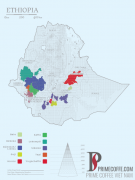
Coffee producing country Ethiopia | what is the grade standard of fine coffee beans G1 Q1 and its new rules
Ethiopia has always been a big coffee country, where thousands of coffee trees are planted. She is not only the treasure of coffee, but also the moonlight in the hearts of many coffee lovers. With regard to the grading of raw beans in Ethiopia, let's study the following: the grading of the Ethiopian Coffee Bureau is based on the cup test and the quality of raw beans: first, the quality of the cup test: according to the cleanliness of raw beans

On the grading of raw coffee beans
The last step in the processing of raw coffee beans is grading, so what are the grading methods of raw coffee beans? Do different countries adopt the same approach? At present, there are three main rating criteria for raw coffee beans, and different countries adopt different rating methods according to their own production conditions and national conditions (not all coffee producing countries adopt the same method).
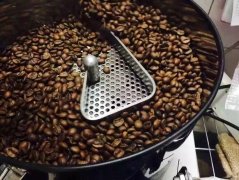
What are the treatment methods of coffee beans G1 G2 G3 G4 respectively?
In fact, these Grade-2,Grade-3 do not exactly represent the level of quality. What does that mean? As follows: washing: Grade-1;Grade- 2 days sun: Grade-3;Grade-4;Grade-5 and Grade-1 several points to note: a) regardless of washing and sunlight, there is Gr-1, the condition is zero defect and Premium Cup. Whether it's washing or tanning, Gr-1 is the best of the boutiques or Cup of.

Coffee quality grading-- coffee bean grading high-grade coffee how to distinguish coffee bean quality
There is no internationally accepted standard for coffee quality grading, and the grading method varies from country to country. Therefore, coffee classification is based on some of the characteristics applicable to each producing country. The sample of coffee beans taken from a bag is judged according to the standards of the producing country, the samples are rated, and most of the coffee is good or bad according to the evaluation.
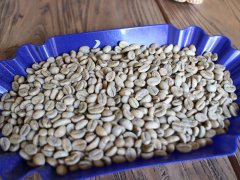
The grading of coffee is an important indicator rather than the only one.
Grading is an important indicator rather than the only indicator: there are thousands of substances in coffee beans, and people's preferences and feelings are different, grading can not show 100% of the flavor of coffee, to find good coffee, testing is the best way. The method of grading: generally speaking, a producing country uses only one method. There are the following: according to the size of coffee beans (Bean size)
Costa Rican Raw Bean grading system Coffee Grade shb highest level extreme enjoyment
Professional coffee knowledge exchange more coffee bean information please follow the coffee workshop (Wechat official account cafe_style) front street-Costa Rica grading system introduced Costa Rica is one of the earliest coffee growing countries in Central and South America, has a long history, coffee organization from production to marketing system Costa Rica is located in the Central American Gorge, the volcanic soil is very fertile and the drainage is good.
What is the hand-flushing ratio of Kenya aa? introduction to the taste of Kenya aa
Professional coffee knowledge exchange more coffee bean information please follow the coffee workshop (Wechat official account cafe_style) Kenya coffee classification Kenya coffee grading is mainly based on the size of coffee beans

Graded coffee raw bean treatment
At present, there are three main rating criteria for raw coffee beans, and different countries adopt different rating methods according to their own production conditions and national conditions (not all coffee producing countries adopt the same method). Let's introduce these three popular rating methods. One: the reason for the emergence of such a classification standard according to the altitude of the coffee producing area is mainly because of the high level.
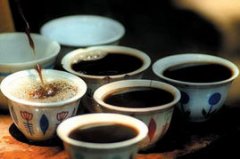
Grading and quality Control system of Ethiopian Coffee
In Ethiopia, the grading and quality control system of coffee is divided into three levels: producer, regional and national. All coffee is inspected by local inspection agencies before leaving the country of origin, and then re-tested at the coffee inspection and grading centers in Addis and Diredawa to determine its quality grade. Coffee is graded before auction and sale, for all involved in production, acquisition,